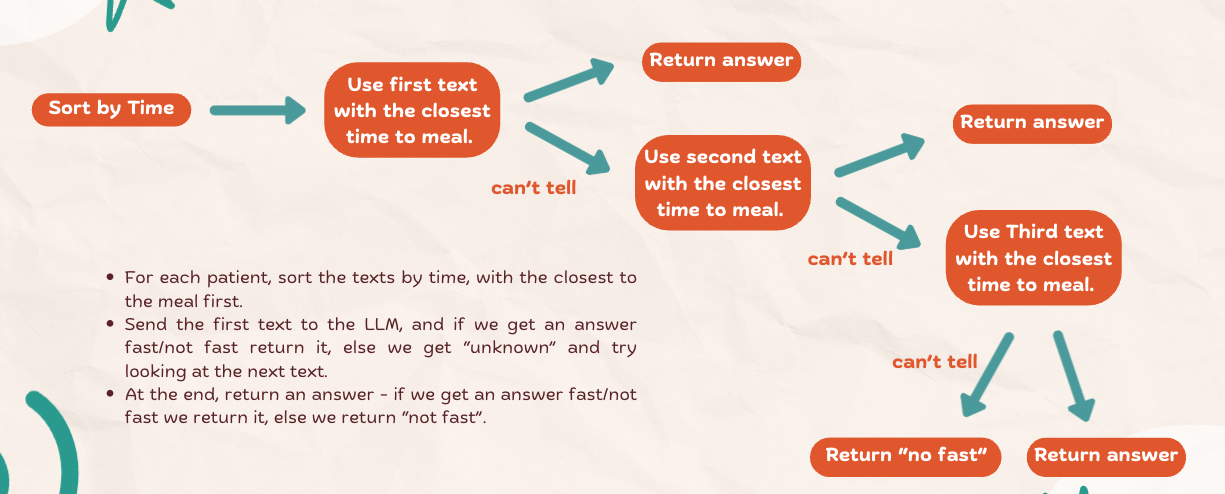
Using a dataset of patients from Assuta Ashdod Hospital, we applied prompt-engineering techniques with Jinja
to build a model that predicts whether a patient will be fasting at the time of their next meal, in order to
support accurate meal preparation. The work was conducted in the Briya Research Room at Assuta Ashdod Hospital,
using the Ollama client to run large language models on a local server.
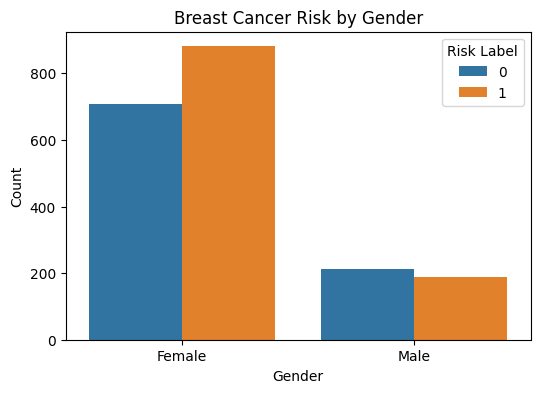
Based on a query given to the patients using prompt engineering techniques we built a synthetic data generator
for the risk of breast cancer classifier on GCP using vertex AI.
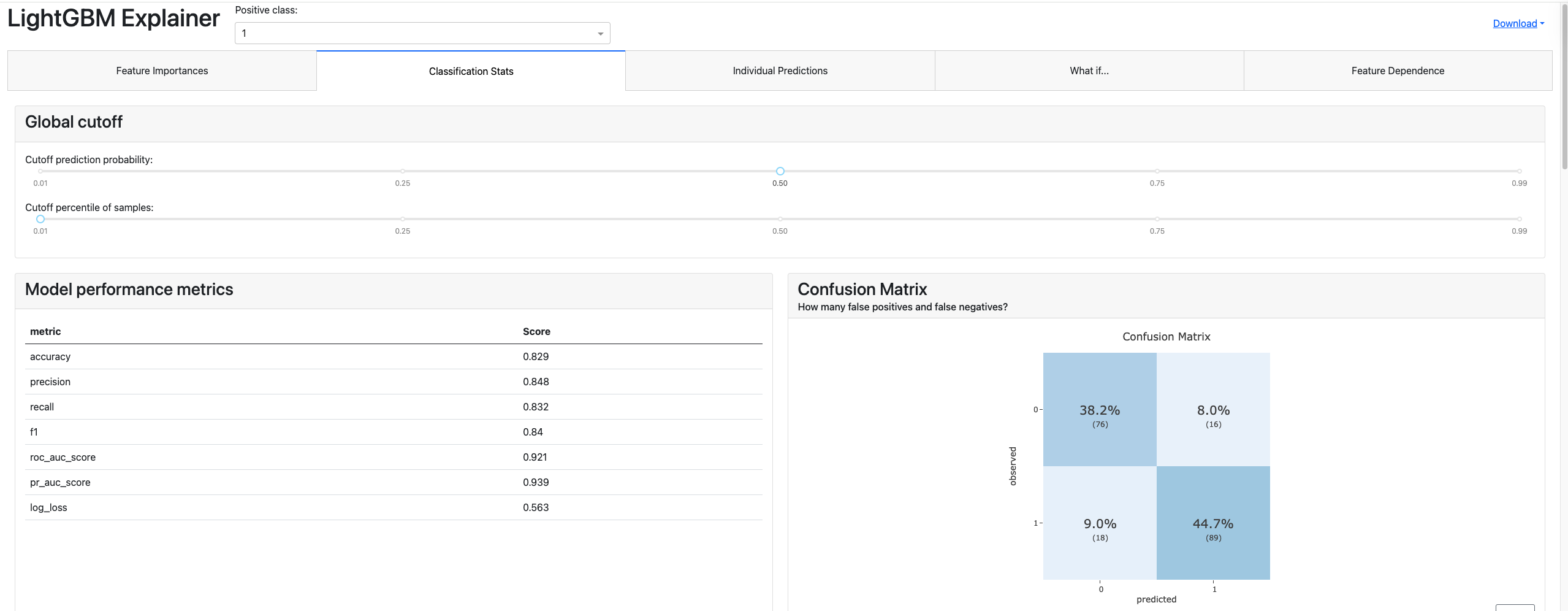
We used the data we generated with the synthetic data generator we built and preprocessed it to build a classifier that predicts whether a patient is at risk of breast cancer or not.
Since our data is synthetic, we added calculated masking to mimic real data.
After that, we built the cancer risk classifier and the Explainer dashboard for explainability.
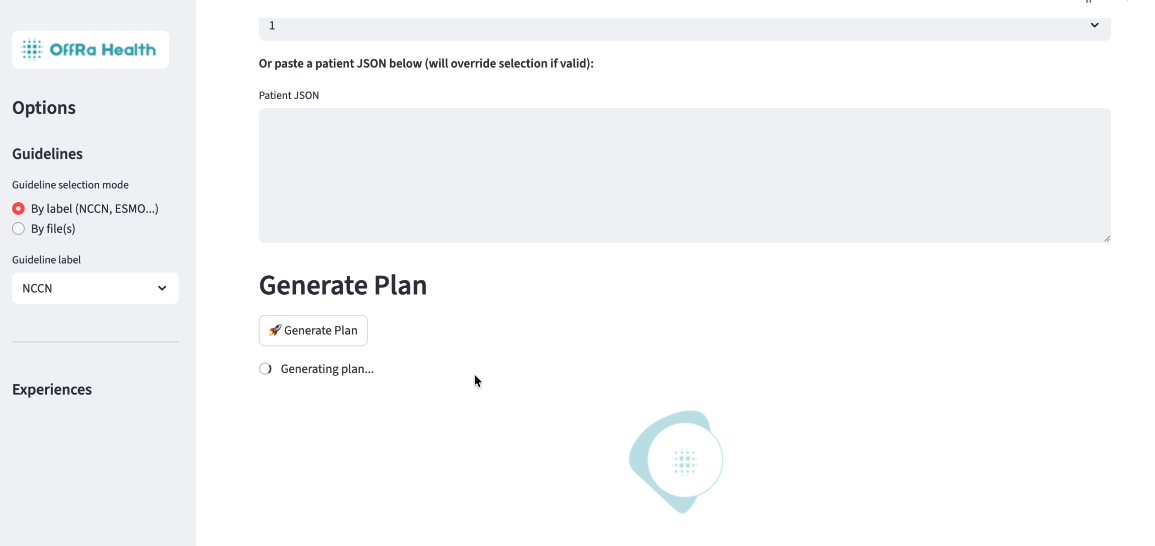
For this model we implemented the following paper, Training-Free Group Relative Policy Optimization
It runs on the Cloud Run of GCP.
Connected to the Firestore database to save notes from doctors and already generated plans.
As part of this whole system we implemented an anonymizer for the clinical data we use.

EmoSketch is a multimodal AI-powered bot designed to analyze children's drawings and provide insightful emotional interpretations for parents and caregivers.
It combines computer vision and natural language processing to understand the emotional subtext behind a child's artwork.
Currently it is in the development stage, with plans to integrate it into a Whatsapp bot.
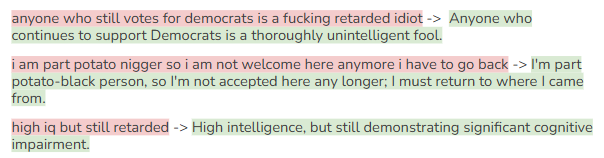
Investigated the vulnerability of hate speech detection models to adversarial attacks and proposed strategies to enhance their robustness.
Implemented Semantic-Preserving Attacks and Textual Perturbation Attacks to mislead detection models.
Evaluated the performance of BERT HateXplain on adversarially perturbed datasets and proposed fine-tuning strategies to improve model resilience.
Utilized Python, NLP techniques, and machine learning models to analyze adversarial robustness.
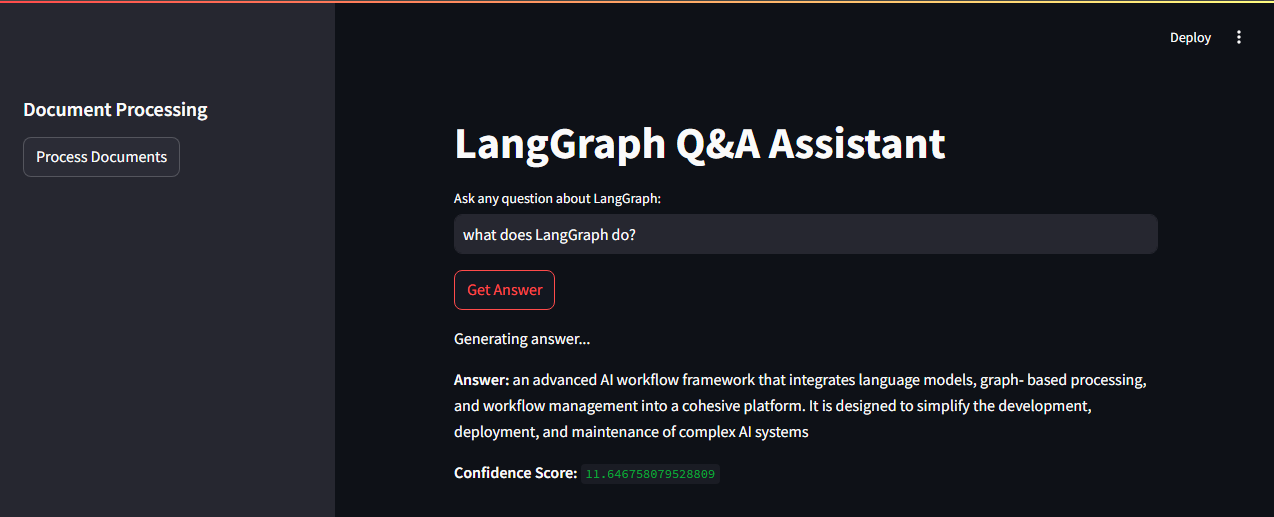
Leveraged my skills in Python programming and created a conversational
AI system capable of answering questions about LangGraph by retrieving and
synthesizing information from provided sources.

In this project I collaborated with Dr. Roi Yozevitch from Ariel
University on a research, providing valuable contributions to both
the research and writing of a published article in Scientific
Reports of Nature Journal on "Classifying interpersonal
synchronization states using a data-driven approach: implications
for social interaction understanding".
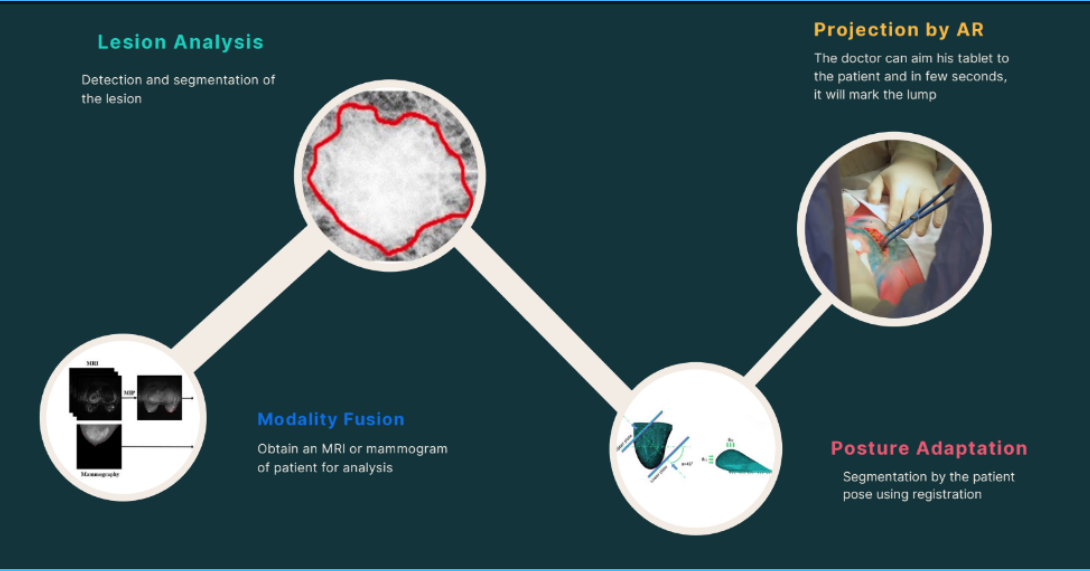
As part of my final research project, I developed a model to
register medical images using Python, Jupyter Notebook,
TensorFlow, NumPy, cv2, Matplotlib, Seaborn, and Pandas. My
primary objective is to enhance the efficacy and affordability of
breast cancer removal surgeries by focusing on the registration of
MRI and Mammography images.
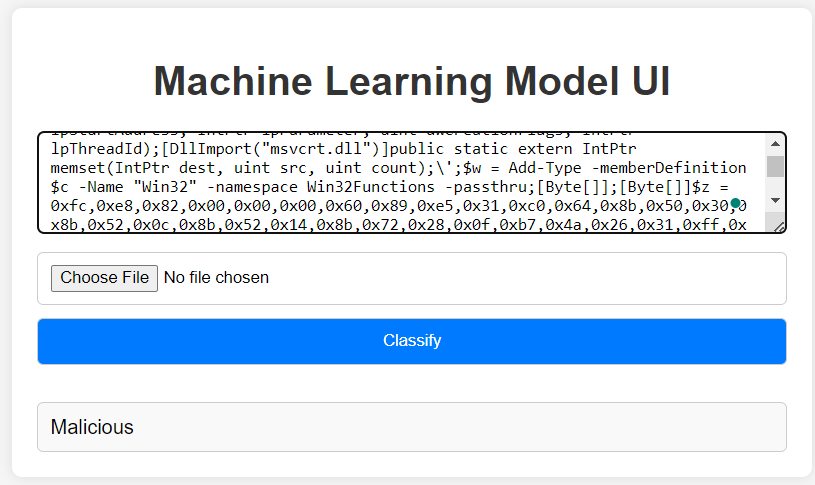
Developed a novel model for detecting malicious PowerShell
scripts, leveraging insights from previous research and
advancements in machine learning techniques using Python, my model
offers a comprehensive approach to identifying malicious scripts
with high accuracy.
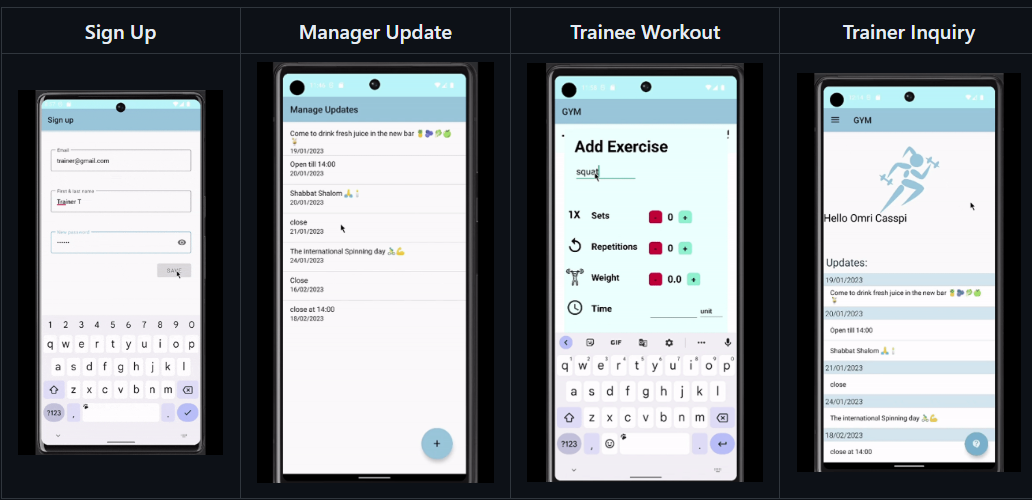
Developed a gym application with a focus on software engineering
principles, utilizing Android Studio IDE using Java, and OOP
principles. Successfully implemented a serverless tier using
TypeScript and JavaScript, and integrated Firebase Database for
data storage and Firebase Functions for the serverless tier
construction.